The Pauline Storment Story
Pauline Storment’s murder has been a shadow in my life for decades. The details of this tragedy have lingered since my childhood, yet it wasn’t until my forties that I began to actively investigate, driven by a need to understand what happened. Since my initial Freedom of Information Act (FOIA) request, core questions have persisted: Who killed her? Why? How did they disappear on the night of April 12, 1971, leaving a trail of unanswered questions? The case remains a perplexing enigma.
A Life of Responsibility, Briefly Shadowed by Fear
Pauline was a 27-year-old sophomore at the University of Arkansas at Fayetteville. She was a divorcee who was focused on her education, holding two part-time jobs: as a secretary at the campus Reserve Officers’ Training Corps (ROTC) office and as a cashier at the Malco Movie Theatre. Her cousin, Betty Grace, recalled her as the “apple of her father’s eye,” a young woman with a good name and no known enemies. By all accounts, she did not drink alcohol or use drugs.
Yet, according to her roommate, Pat Murphy, a current of unease had recently entered her life. In the days before the murder, an “unknown white male came to their apartment” wanting them to “get a drink,” which they refused, leaving Pauline “very upset.” A few nights later, the phone rang. A man on the line asked if she “remembered the night they got stoned.” The call again made her deeply upset, and she hung up on the man, whose identity she did not know. Pauline’s life was defined by responsibility, not by the darkness that was gathering just outside her door.
The Attack on South Duncan Avenue
On the evening of Monday, April 12, 1971, Pauline’s last hours followed a familiar pattern. She worked for a time at the ROTC office on campus, where she was last seen by her coworker, Teresa Keaty. It is believed Pauline may have then attended a Black Gospel Singers concert before heading to the university library to study, a routine she often followed.
Sometime after 9:30 PM, she began her walk home with her books and tape recorder. The attack occurred between 9:30 PM and 9:40 PM just blocks from campus near the corner of South Duncan Avenue and Treadwell Street. Witness Mike Adair claimed to have seen a man following Pauline as she walked along South Duncan. Moments later, Joe Clifton, Jack Huff, and Gary Gammil rushed from their nearby apartments after hearing her screams pierce the night air, finding her bleeding on the ground.
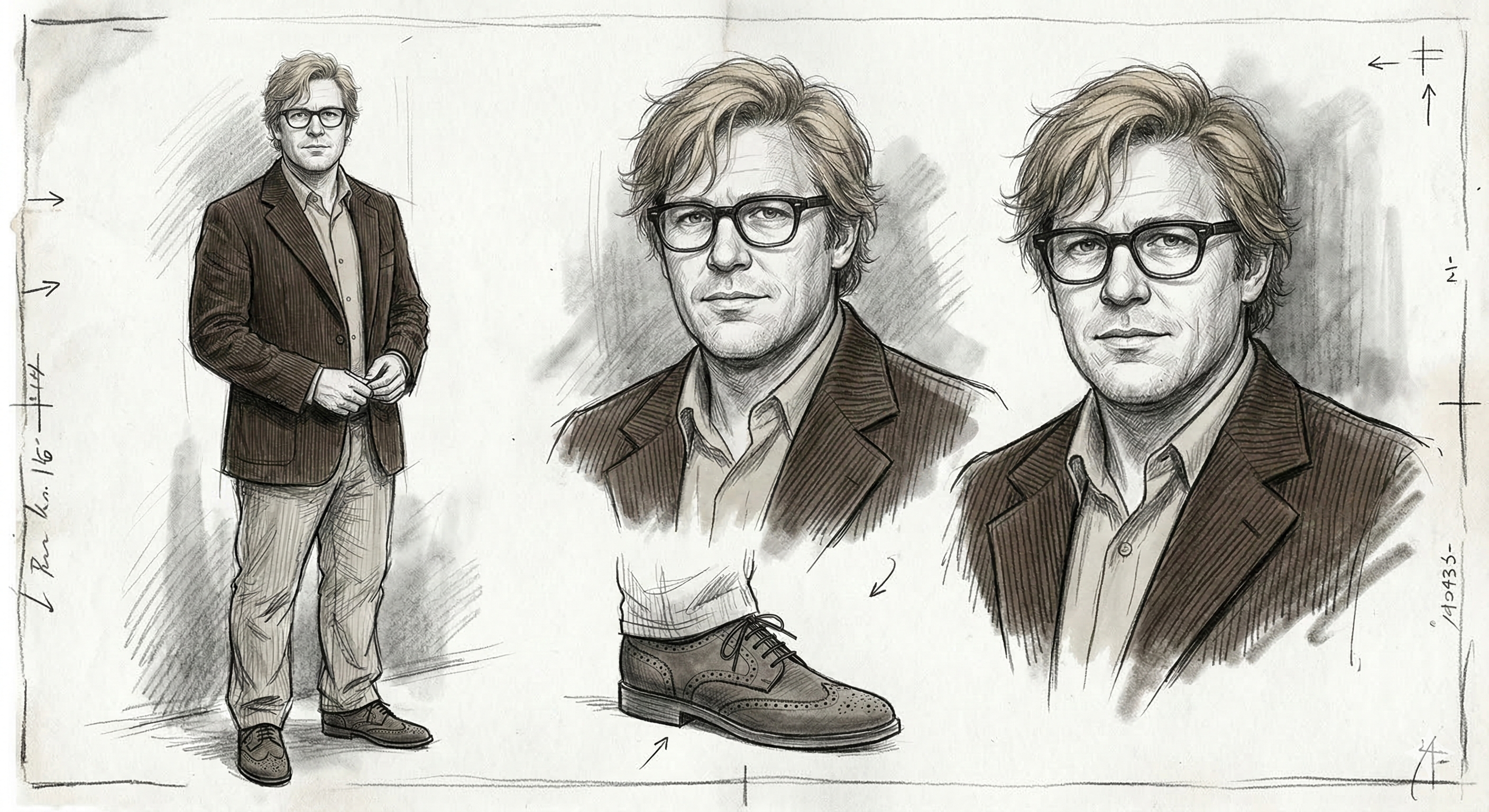
In her final conscious moments, Pauline provided the only description of her killer. She gasped to those who came to her aid that “the man that stabbed me” was the “same one that was following her.” She was clear on one detail: he “wore glasses.”
One student who tried to comfort her recounted a heartbreaking detail that captured the essence of the life being lost. “I told her to stay down and tried to make her comfortable,” he said. “Then for some reason or other, she asked me to get her books and I got them.” Her final words, uttered at Washington General Hospital, were a plea: “Don’t hurt me.” Pauline had been stabbed seven or eight times in the chest, stomach, and one arm. She died during surgery at the hospital about an hour and a half later.
The Investigation and Lingering Questions
The investigation, led by the Fayetteville Police Department and the Arkansas State Police, involved inquiries that extended to the Memphis, Tennessee, area. The case quickly became an enigma, with the initial suspect, Wallace Peter Kunkel, being released for lack of evidence despite blood being found on his clothing. The murder weapon, a butcher knife found near the scene, was ultimately discounted by investigators, and a later, detailed confession by Jack Butler was never officially resolved in the case file.
Without concrete leads, the “wrong place, wrong time” theory persists. Despite the passage of time, Pauline’s story must be told. For those interested in unsolved true crime, may her tragic fate prompt a desire for resolution. For those who knew and loved Pauline, the retelling of her story offers a tribute to a life cut short.



Leave a Reply