What a 1996 Thriller Can Teach Us About a 1971 Fayetteville Cold Case
On April 12, 1996, the psychological thriller *Fear* premiered in theaters, introducing audiences to David McCall—a character portrayed by Mark Wahlberg who weaponized charm to mask a terrifying, obsessive pathology. Exactly twenty-five years earlier, on the warm spring night of April 12, 1971, a very real, very bloody tragedy unfolded in Fayetteville, Arkansas. Pauline Frances Storment, a 27-year-old University of Arkansas sophomore, was fatally stabbed near her apartment.
While a Hollywood film and an Arkansas cold case exist in different realms, the anniversary linking them offers a chilling lens through which to re-examine the unsolved murder. When we map the archetype of the obsessive, charming predator seen in *Fear* onto the known facts of the Storment investigation, a disturbing new context emerges for the events that occurred on South Duncan Avenue.
The Illusion of Playfulness and the Initial Cries
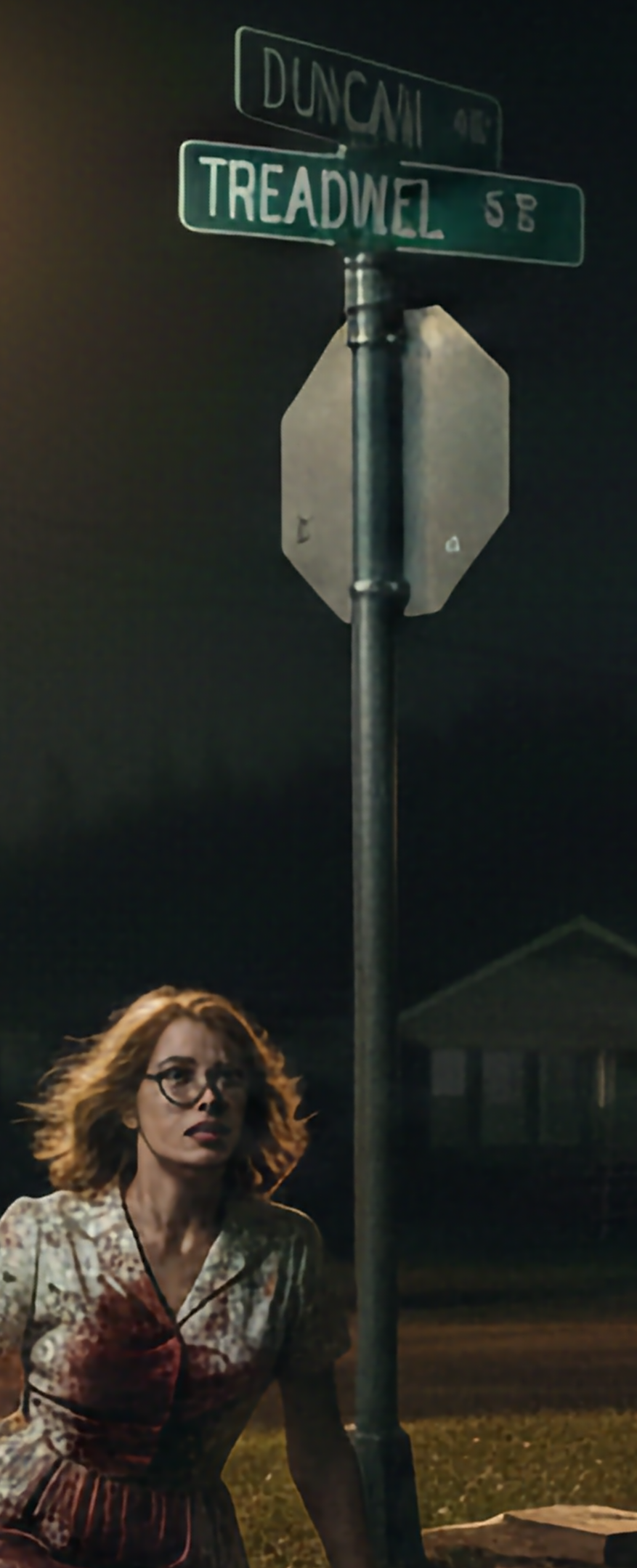
According to the investigative record, Pauline Storment was attacked around 9:30 p.m. at the intersection South Duncan Avenue and Treadwell Street. Multiple witnesses confirmed seeing an assailant following her and hearing screams for help. Yet, the auditory evidence paints a complex picture. Witness Peter Novack reported hearing a “single, soft cry of ‘help’” before seeing a man flee the scene. In the surrounding neighborhood, another witness heard a woman’s voice assertively say “Get out” twice before a moment of silence.
If we hypothesize that Pauline encountered someone akin to a “David McCall”—an individual who was superficially charming, deeply obsessive, and prone to violent mood swings—it might explain why some initial cries for help seemed muted or lacked immediate, blood-curdling panic. An obsessive stalker or a deeply infatuated acquaintance often initiates contact through coercive conversation rather than immediate ambush. The initial interaction might not have triggered instant terror, leading to a “soft cry” before the sudden, catastrophic escalation to violence.
The Victim’s Profile and Orbiting Suspects
Pauline was described as quiet, friendly, studious, and a divorcee who was not known to be dating men at the time. She maintained a busy schedule, working part-time at the ROTC office and Malco Theaters. Her roommate, Pat Murphy, corroborated that Pauline did not date anyone she knew of.
However, the police files reveal concerning anomalies and shadowy figures in her social orbit. Murphy recalled a daytime incident where two unknown white males came to their apartment, were refused a drink, and walked away. Murphy also noted that Pauline received an upsetting, anonymous phone call from a man asking if she remembered “the night they got stoned,” which prompted Pauline to abruptly hang up.
Furthermore, multi-jurisdictional intelligence highlighted a former co-worker, John Hubbard, who had an admitted affair with Storment in 1969. While the initial arrest focused on a local teenager, Wallace Peter Kunkel, who was found blocks away with blood on his clothing, prosecutors ultimately dropped the charges due to insufficient laboratory findings. The inability to secure a conviction left the door wide open to other behavioral profiles, including those with a history of romantic fixation.
The Weapon and the Rage
The brutality of the crime speaks to a highly personal, enraged psychology. Pauline was stabbed eight times in the chest to a depth of three or more inches, severing several arteries. The medical examiner judged the weapon to be an ordinary kitchen butcher knife. There was no indication of sexual assault or robbery, as her purse was found containing money and credit cards.
This degree of overkill—dubbed “mysterious butchery” by one true crime magazine—aligns with the profile of an obsessed individual who feels slighted or rejected. In *Fear*, the terror derives from the antagonist’s absolute refusal to accept boundaries, escalating to lethal violence when his perceived “possession” slips away. If Pauline Storment’s attacker was someone from her past or a dangerous, fixated acquaintance acting under the guise of romantic interest, the savage nature of the attack represents the ultimate manifestation of rejected control.
A Narrative of Regional Haunting
To this day, the murder of Pauline Storment remains unsolved, leaving a permanent scar on the history of Northwest Arkansas. The case file stands as a dark Southern Gothic reality, filled with drug-impaired witnesses, dropped charges, and a killer who vanished into the night. While *Fear* is a work of fiction, it serves as a stark psychological mirror. By considering the possibility that Pauline encountered a superficially charismatic but dangerously obsessive predator, we can better understand the erratic witness timelines and the sheer ferocity of her final moments. It is a chilling reminder that sometimes, the most profound dangers do not hide in the shadows, but walk boldly into the light, disguised as a friend.
Fear (1996) Theatrical Trailer
This trailer highlights the volatile shift from superficial charm to possessive rage in the David McCall character, illustrating the psychological profile discussed in the article.
P.s. The state of Arkansas may have given up on solving your case, but as long as I am breathing I will keep shaking the historical record to see what secrets it will reveal that will hopefully answer the the ultimate question of Who Murdered Pauline.
With love Aunt Lela’s Great Grandson



Leave a Reply