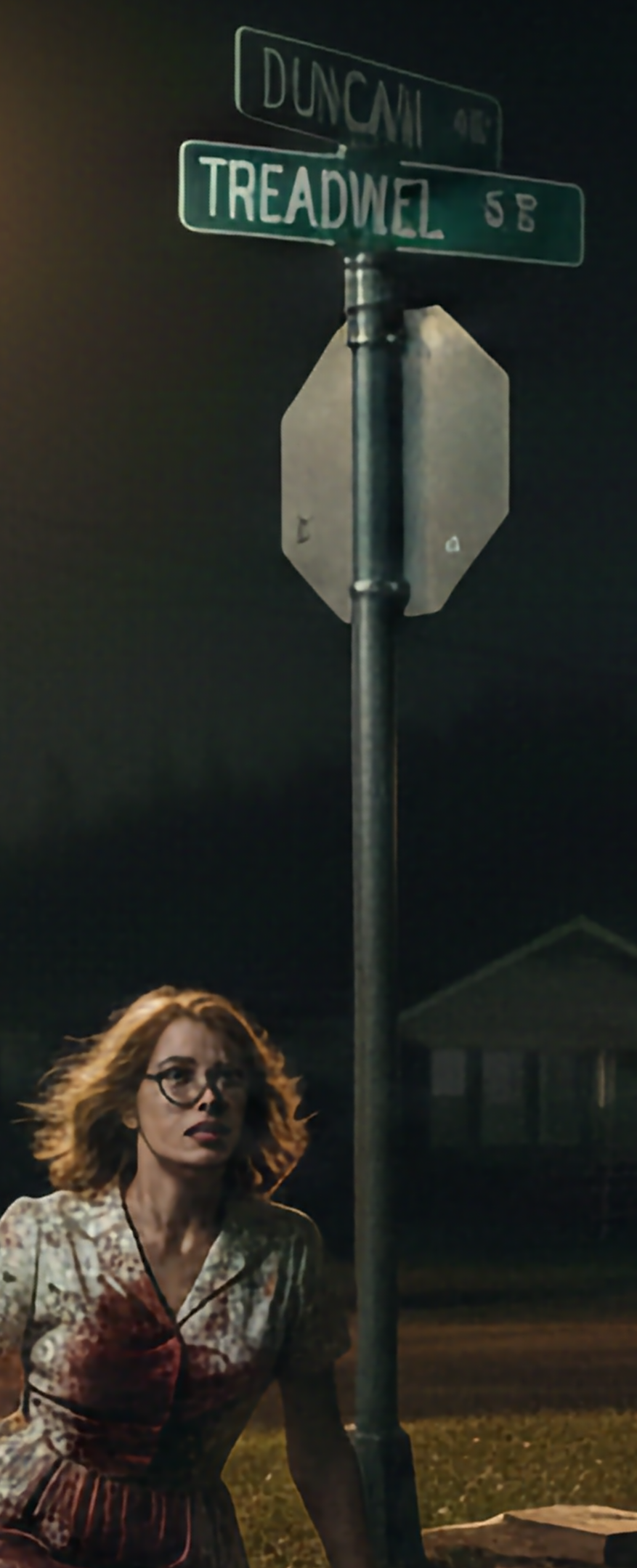

On the evening of April 12, 1971, Fayetteville was bathed in a deceptive, 75-degree warmth. It was the kind of spring night that lured students out of the University of Arkansas library to enjoy the walk home, lulled by a false sense of campus security. That peace shattered at 9:30 P.M. when Pauline Storment, a 27-year-old student from Ozark, Arkansas, was brutally stabbed just 440ft from her apartment at 102 South Duncan Street, thats an easy 2 minute walk.
Pauline, described by her cousin Betty Grace as a quiet, studious woman who was “the apple of her father’s eye,” would die on the operating table an hour later.
The mounting panic in Fayetteville was palpable; a predator was loose on the hill, and the pressure on the Fayetteville Police Department to provide an immediate answer was suffocating. This installment—the second in our deep dive into the Storment files—examines the frantic 48 hours following the murder, centering on the rapid identification and arrest of 17-year-old Wallace Peter Kunkel. While the speed of the arrest initially felt like a victory for a terrified town, it created a tactical tunnel vision. By focusing entirely on Kunkel, investigators may have ignored critical discrepancies that would eventually cause their case to evaporate.
Below are the five most revealing takeaways from the investigation that nearly ended before it truly began.
Takeaway #1: The Blood-Stained Arrow Shirt Forensic Stalemate in the Early Hours.
In the primal hours of a murder investigation, physical evidence is the only objective narrator. It provides a silent testimony that memory cannot touch. Yet, as the Kunkel arrest demonstrated, forensic data can be a Rorschach test—revealing exactly what investigators want to see while masking an alternative truth. Following the murder, police took Wallace Peter Kunkel into custody and seized a white, “Arrow” brand shirt. Initial analysis revealed the presence of Type A bloodstains on the fabric. Because Pauline Storment also had Type A blood, the prosecution viewed the shirt as a “smoking gun.” However, the forensic reality was a stalemate. Kunkel claimed the blood was his own, the result of a recent nosebleed and a minor scuffle. Crucially, a physician later corroborated this alibi, confirming that Kunkel indeed had a “slight nose injury.” Because Type A is a common blood group and DNA testing was decades away, the shirt served as both a centerpiece for the arrest and a ready-made defense for the suspect.
Takeaway #2: The Proximity Trap at Duncan and Treadwell. Mapping the Suspect’s Movements Against a Shifting Description.
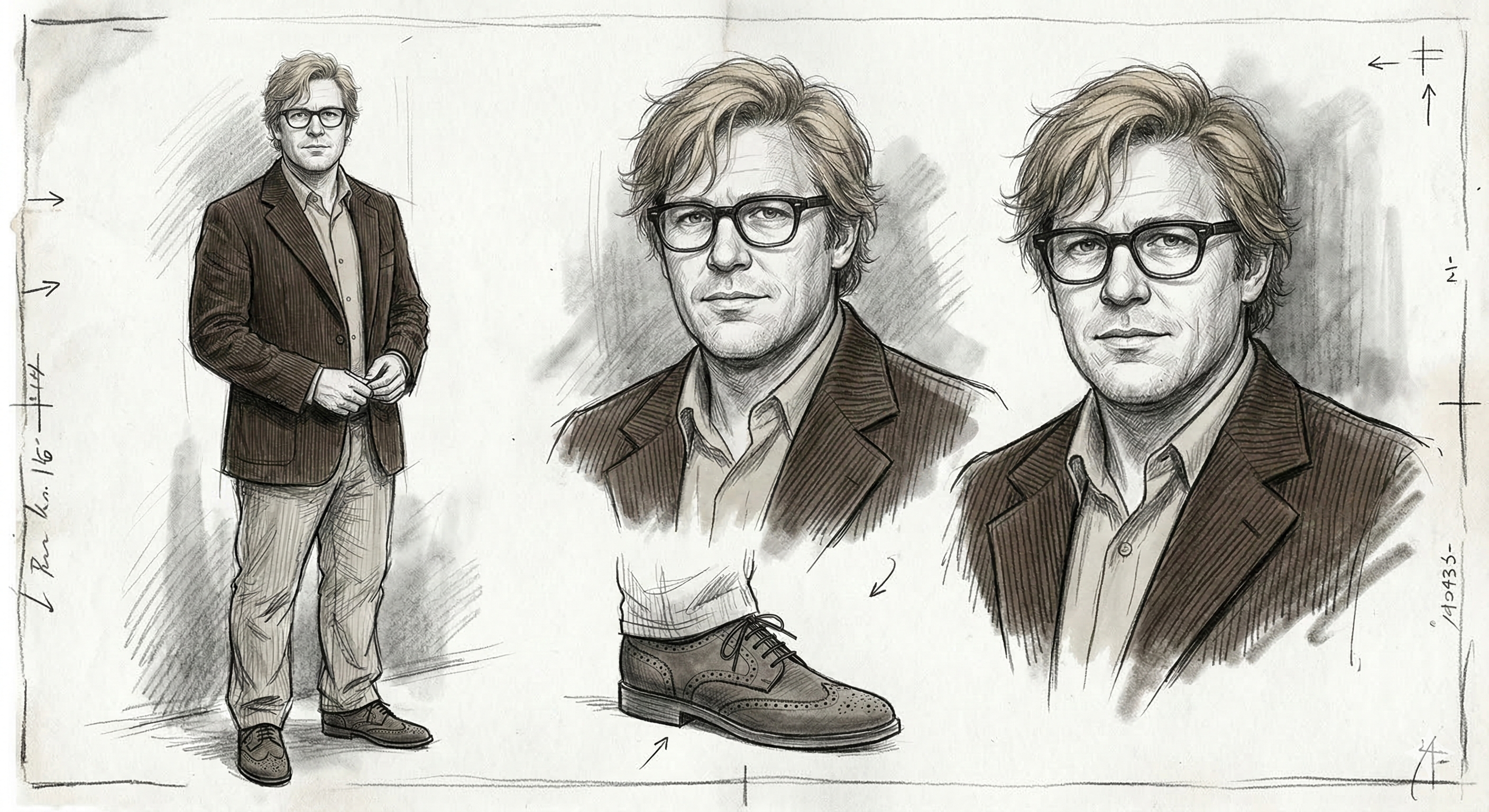
Investigative strategy relies heavily on “geographic clusters”—the overlap between a suspect’s known path and the crime scene. In 1971, the geography of Fayetteville seemed to trap Kunkel in a web of his own making. Witness Joe Clifton reported driving on Duncan at Treadwell and seeing a man following Pauline just 20 feet behind her. Minutes later, witness Peter Novack was forced to slam on his brakes when a man ran “adrift” in front of his car at the same intersection. “He seemed to be… maybe five feet ten inches tall. Quite husky… He was running adrift but he didn’t seem to be very planned where he was going. He had a brown jacket, it looked like corduroy… He ran in front of my car in sort of a curved path.” The proximity was damning: Kunkel admitted to being at the “Gray House” (301 North University), a location within a literal stone’s throw of the attack site. However, an investigative journalist looking at the files today sees a glaring discrepancy. While witnesses described a “husky” man wearing glasses (a detail noted by both Joe Clifton and Jack Huff), Kunkel’s booking photo tells a different story. Standing 5’11”, Kunkel weighed a mere 140 pounds—a slight, almost gaunt frame that hardly fits the “husky” description of the man seen fleeing the scene in a brown sport coat.
Takeaway #3: The “Gray House” and the Speed Culture of 1971. A Credibility Gap Fueled by Amphetamines.
The counter-culture environment of the early 70s created a unique “credibility gap” for investigators. The primary witness pool—and the suspect himself—were part of a social circle centered on the “Gray House,” where the systematic “shooting of speed” (injectable amphetamines) was the evening’s primary activity. Michele Phelan, a fifteen-year-old was a key witness who admitted that the drug use at the house was pervasive. In her statement, she noted she was “tempted” by the drug activity simply because the kitchen of the Gray House was “the only place we were getting it.
“Q. “Did Peter Kunkel take speed that night?”
A. “Yes, sir.”
Q. “How much of a dose did he take?”
A. “I don’t know the dosage that he took… I think he did [take more than one dosage].”
The “So What?” here is purely legal. By basing their case on the movements of a suspect and witnesses who were admittedly under the influence of powerful stimulants, the State handed the defense a gift. Any testimony regarding perception, timing, or memory was effectively dead on arrival in a courtroom.
Takeaway #4: Mike Boyd’s Nervous Passenger. Post-Offense Behavior and the Dickson Street Stop.
In criminal profiling, “post-offense behavior” is often used to establish a consciousness of guilt. For the Fayetteville police, the testimony of 19-year-old Mike Boyd provided the most vivid evidence of a young man on the edge of a breakdown. Around 11:00 P.M. on the night of the murder, Boyd gave Kunkel a ride. Kunkel, wearing a brown sport jacket, asked to be taken to his parents’ house on “45 up on the mountain.” As they drove down Dickson Street, a police cruiser began to tail them. Boyd recalled Kunkel’s frantic reaction:” and stated that he appeared to be nervous about something… We were stopped a few minutes later by the police on Dickson Street… [Peter] emptied the syringe in the floor and threw it under the seat.” While this behavior was highly suspicious, it lacked the weight of a murder confession. Disposing of drug paraphernalia during a police stop is the expected behavior of a user, not necessarily a killer. The “nervousness” that the prosecution relied upon was a lynchpin of suspicion, but it was not the smoking gun required to tie Kunkel to the butcher knife used on Pauline Storment.
Takeaway #5: The Richard Hipp Defense and the Legal Collapse. The Strategic Intervention of Counsel.
In high-stakes homicide cases, the defense attorney’s job is to exploit the point of least resistance. For Wallace Peter Kunkel, that was attorney Richard Hipp. Hipp recognized that the State’s case was built on the shifting sands of drug-influenced memories and circumstantial blood evidence. Hipp’s defense was aggressive. He argued that Kunkel’s rights had been violated during his initial interrogation. To project an image of absolute innocence to the public and the court, Hipp even had Kunkel agree to a lie detector test. It was a brilliant tactical maneuver; by the time the State realized their witness pool was too compromised to stand up to cross-examination, the momentum had shifted entirely. Just days after the arrest, the charges of Murder in the First Degree were “nolle-prossed”—dropped by the State. The legal collapse was total.
The “So What?” of the Kunkel arrest is a cautionary tale of how a rushed investigation can destroy the very lead it seeks to secure.
——————————————————————————–Back to Square One
The tragedy of the Pauline Storment case is that it appeared “solved” within 48 hours, only for the trail to go cold almost as quickly.
The Storment family would never recover. Both of Pauline’s parents would pass away within two years with her mother, Lillian, being the first followed by her father, Paul, who was found dead in his yard while using a lawnmower; while the doctor cited heart trouble, those who knew him, like Betty Grace, believed he died of a broken heart. When Wallace Peter Kunkel walked free, the Fayetteville police were left with a stack of files and a growing list of unanswered questions. As the investigation stalled, other names began to surface in the margins—men like Jack Butler, the “alternate confessor” whose story would later complicate the narrative, and Stephen Wayne Cooper, a man with a minor police record in Fayetteville who would eventually be linked to a brutal homicide in Arizona.
In our next installment, we will step out of the shadow of Kunkel and into the dark histories of the men the police overlooked.


Leave a Reply