
The Night the Peace Broke:
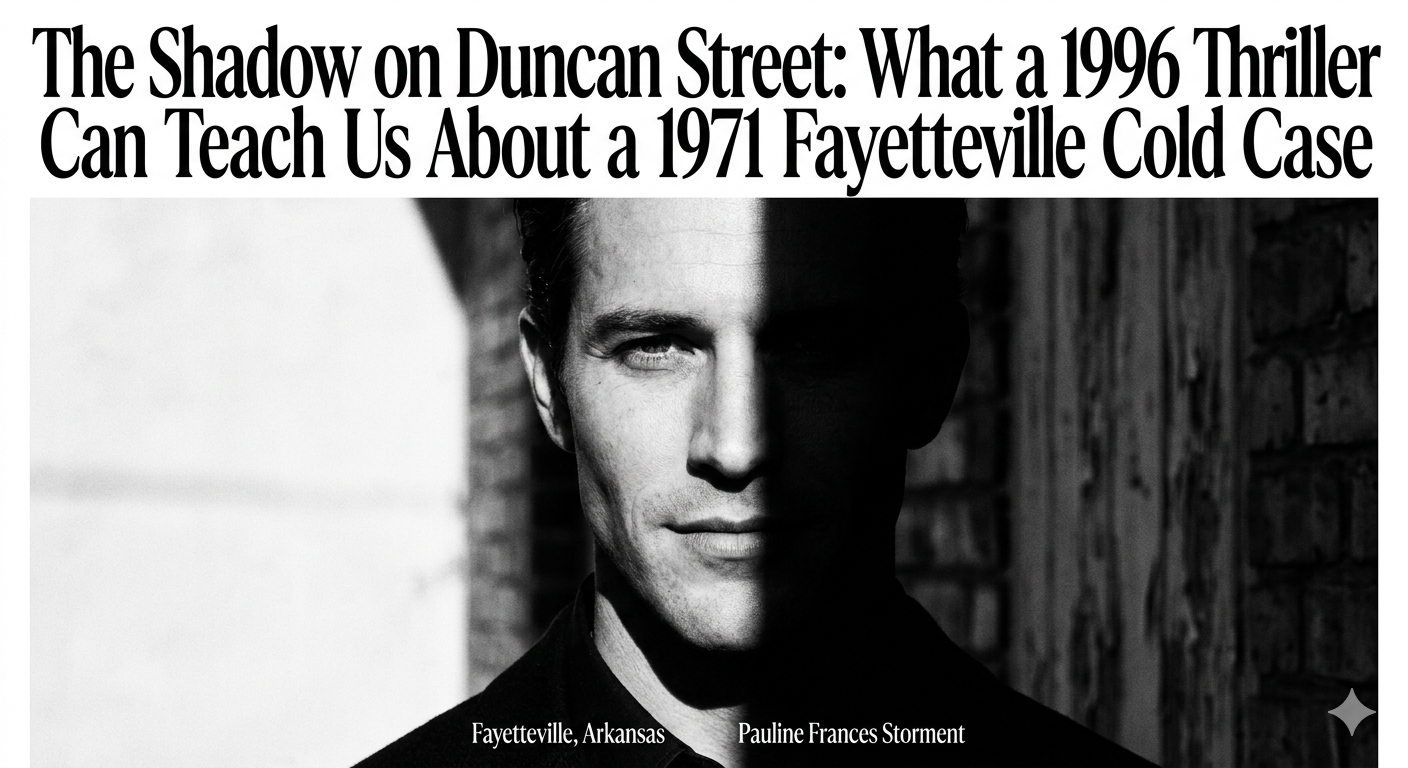
April 12, 1971, was a deceptively tranquil spring evening in Fayetteville, Arkansas. The thermometer hovered at a pleasant 75 degrees, and the air carried the heavy, sweet scent of a campus in bloom. It was the kind of night that promised the quiet safety of a university town—a night where the only shadows expected were those cast by the oaks onto the lawns of the University of Arkansas.
But as the moon rose over the Evergreen Cemetery, the peace was shattered.
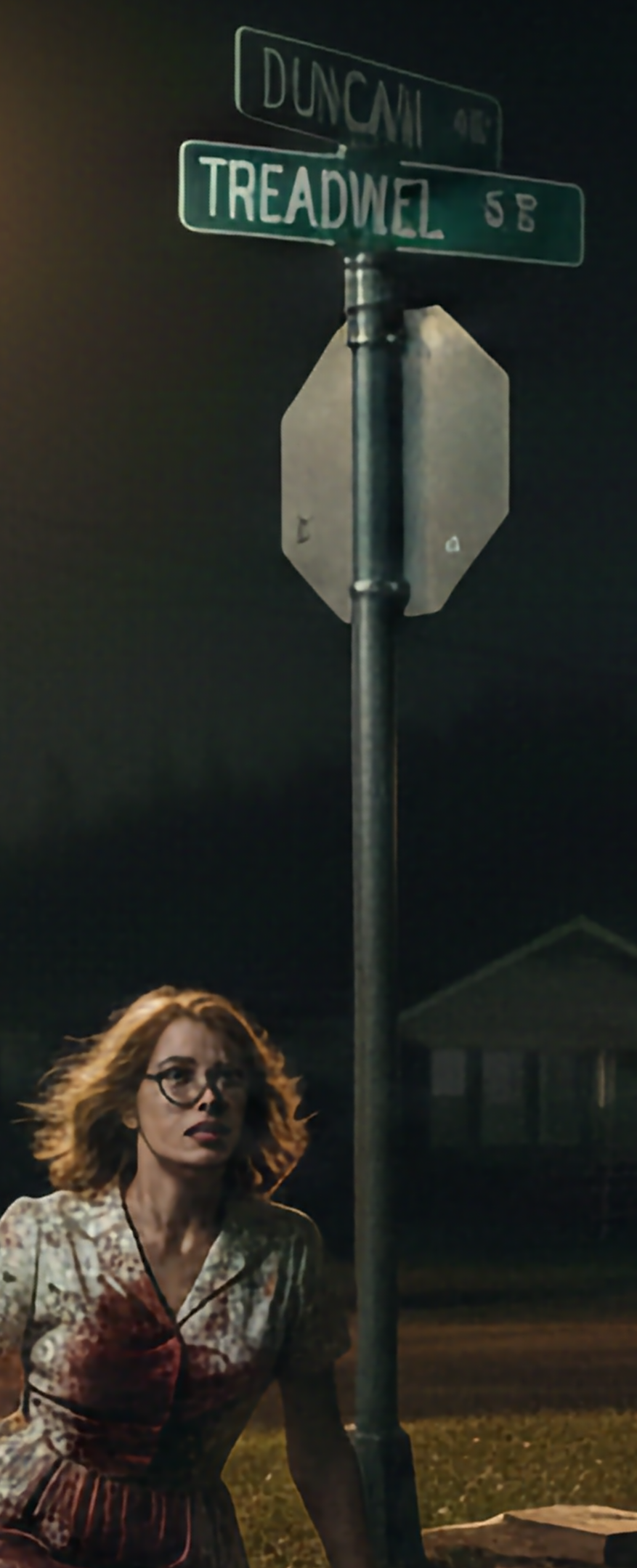
At 9:30 P.M., the silence near the intersection of Duncan and Treadwell streets was pierced by two sharp, jagged screams.
What began as a routine walk home for a studious sophomore would end in what investigators later termed a “mysterious butchery.” In the darkness of South Duncan Avenue, an unknown assailant turned a warm spring night into a cold case that remains a stain on the Ozarks five decades later.
Portrait of a Student:
Who Was Pauline Storment? Pauline Frances Storment was not a typical university coed. At 27 years old, the Ozark, Arkansas, native brought a seasoned maturity to her studies. She was a woman who had already seen the world beyond the hills, having spent six years working as a professional secretary—three years in the bustle of St. Louis and another three in Atlanta—before returning to school to further her education. Those who knew her described Pauline as “quiet, friendly, and studious.” To her family, she was the “apple of her father’s eye,” a woman of impeccable character with no police record and no known enemies. Her social life was remarkably reserved; she was not known to date, and her nights were spent in the library rather than the local bars. She was a woman of routine, focused entirely on the quiet pursuit of her degree, making the violence that found her all the more incomprehensible.
Campus Life and the “Gray House”:
Fayetteville in 1971 was a town of stark, shimmering contrasts. On one side was the academic discipline Pauline embodied; on the evening of the crime, she was at the ROTC office, her fingers flying over typewriter keys as she finished papers for other students. On the other side was a burgeoning, restless counterculture. Just blocks from Pauline’s path sat the “Gray House” at 301 North University, a hub for local “hippies” and a revolving door of late-night parties. Police reports from the time paint a gritty picture of this subculture, where “speed” was not just a word for moving fast, but a drug injected in kitchen corners. While residents like Terry Smith claimed to be “straight all night,” others like Mike Boyd described a scene of needles and paranoia. This world of drug-fueled haze stood in sharp, ugly opposition to Pauline’s world of shorthand and late-night study sessions, yet the two would collide with fatal precision.
Timeline of a Tragedy:
April 12, 1971
The final hours of Pauline Frances Storment’s life are a haunting study in “what ifs,” reconstructed through chilling witness accounts:*
7:20 P.M.: Pauline is seen at the ROTC office. She is diligent, focused, and mentions plans to perhaps attend a concert later.*
9:15 P.M.: Pauline begins her walk home from the campus library, heading toward the apartment she shares at 102 South Duncan Avenue.*
9:20 P.M.: Joe Clifton, driving up Duncan at Treadwell, sees Pauline. He later tells police her “arms were full of books” and other items. He considers stopping to ask if she needs a ride, but decides against it—a decision that would haunt him for a lifetime.*
The Shadow:
Near the intersection of Duncan and Center streets, Mike Adair notices a man in a brown sport coat trailing Pauline. He is following closely—roughly 20 feet behind—moving through the skeletal shadows cast by the streetlights.
The Attack on South Duncan Avenue:
The predator struck at the very threshold of safety. As Pauline was about to round the corner with her apartment in view not even a block away, the man behind her closed the gap.
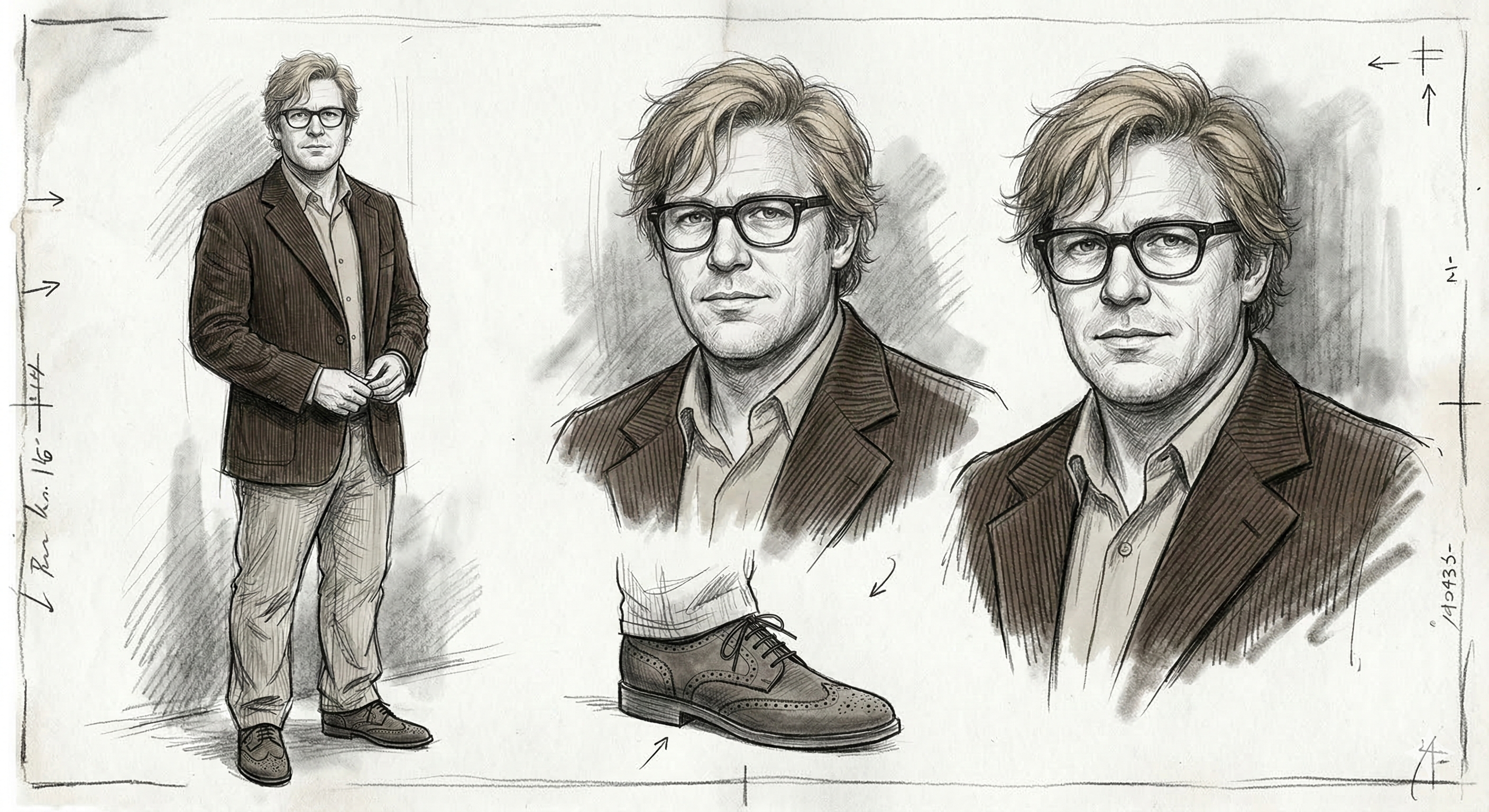
Neighbor Linda White heard the first scream, followed minutes later by a desperate yell for “Help!” Neighbors Jack Huff and Joe Clifton rushed toward the sound, but they were too late to stop the violence. Clifton found Pauline lying half in the yard and half in the street, her white skirt a jarring, brilliant red under the dim streetlights as she bled profusely. Despite the catastrophic damage to her body, Pauline fought to stay conscious. As Jack Huff reached her, she managed to gasp out a final, dying testimony. “A man with glasses hit her,” she told the witnesses, stating that he had been following her. She described her assailant as a man wearing glasses who then fled the scene—disappearing into the darkness of the university campus, the very place she had just left.
The Instrument of “Butchery”
Pauline was rushed into surgery at Washington General Hospital, but the damage was absolute. The medical examiner’s findings were visceral: eight stab wounds to the chest, some reaching a depth of three inches, severing major arteries. The weapon was not the specialized tool of a professional, but an ordinary kitchen butcher knife with a long, wide blade. Perhaps most baffling was the lack of motive. Her purse lay untouched near her fallen books. There was no evidence of sexual assault. It was a crime of pure, unadulterated “butchery”—a sudden eruption of lethal force against a woman who had given no one a reason to hate her.
A Legacy of Broken Hearts:
The murder of Pauline Storment decimated a family. Her mother, overcome by the sheer weight of the tragedy, died within two years followed almost immediately by her father who was found dead in his yard while mowing the lawn. While the doctors cited heart trouble, his cousin Betty Grace knew better; the family maintained he died of a “broken heart,” having never recovered from the loss of his “apple.”
The most heartbreaking detail of her final rest was found in the casket.
At her funeral, Pauline wore gloves on her hands—not for fashion, but to cover the deep, jagged defensive wounds she sustained while fighting for her life against the man with the butcher knife.
A Shadow That Never Lifted:
The investigation into Pauline’s death was a labyrinth of dead ends. Early on, police detained two young men a few blocks away one of which who had fresh bloodstains on their clothing. The excuse was as flimsy as it was noir: the claim was that the blood came from a “nosebleed” sustained during a minor scuffle. The suspect a 17yr old, Wallace Peter Kunkel, was eventually charged with first-degree murder, but the charges were later dropped when it was determined that both Pauline and Kunkel both had type A blood and when he passed a polygraph he was allowed to walk free.
Decades later, the case remains an unsolved homicide, leaving us with haunting questions. Who was the “man with glasses” seen fleeing toward the university? Was the anonymous, upsetting phone call Pauline received days before—where a man asked if she remembered “the night they got stoned”—the key?
Some believe Pauline was never the intended target at all.
A theory of mistaken identity, alleging that Pauline was killed in place of a woman named “Whitney” because of a drug-related “mistake.” The shadow that fell over South Duncan Avenue that warm April night has never truly lifted.
Pauline Storment walked into the darkness, and the man with the glasses walked away into the annals of Arkansas’ most enduring mysteries.
——————————————Stay tuned for our next installment, where we examine the conflicting statements of the “Gray House” residents and the suspicious movements of Stephen Wayne Cooper.

Leave a Reply